If you’re thinking about life in Arlington, your weekends can tell you just as much as a home tour or commute map. This is a place where daily convenience, transit access, parks, and neighborhood centers shape how you actually spend your time off. If you want a clearer picture of what weekend living feels like in Arlington, this guide will walk you through the rhythms, places, and housing patterns that define it. Let’s dive in.
Arlington weekends revolve around corridors
Arlington has more than 60 neighborhoods, but weekend life tends to organize around a few key corridors. According to Arlington County, Rosslyn-Ballston, Richmond Highway, and Columbia Pike are primary planning corridors, and higher-density development is generally concentrated within a quarter-mile of Metro station entrances in Metro corridors.
That matters because your weekends often follow the same pattern as your weekday routine. If you live near a Metro corridor, you may find it easier to walk to coffee, catch a market, head to a park, or meet friends for lunch without needing to drive much. In places like Crystal City and Pentagon City, ongoing development is also adding more homes, retail, open space, and transit options.
Arlington’s transportation network supports that car-light lifestyle. The county highlights ART buses, Metrorail, Metrobus, VRE, WalkArlington, and BikeArlington as part of how people move around, which makes short weekend trips feel more connected and flexible.
Farmers markets shape the weekend rhythm
One of the easiest ways to picture weekend living in Arlington is to start with the farmers markets. Arlington County says there are 10 farmers markets this season, with recurring options on both Saturdays and Sundays.
For Saturday plans, the county-owned Arlington Farmers Market in Courthouse runs from 8 a.m. to noon. Fairlington also hosts a Saturday market from 9 a.m. to 1 p.m. On Sundays, you can head to Columbia Pike from 9 a.m. to 1 p.m. or Westover from 8 a.m. to noon.
That steady schedule gives many residents a built-in weekend routine. You can grab produce, prepared foods, and pantry staples, then roll the rest of the day into a walk, brunch, or time at a nearby park.
There is also a midweek layer to Arlington’s food scene. Ballston’s FRESHFARM market runs Thursdays from 3 p.m. to 7 p.m. across from Ballston Metro, and Rosslyn’s runs Wednesdays from 2 p.m. to 6 p.m. near Rosslyn Metro. Those locations reinforce how closely Arlington’s local food culture lines up with walkable, transit-oriented living.
Parks and trails are part of daily life
Arlington’s outdoor network is not just for special outings. Arlington County says the county has nearly 49 miles of paved, multi-use trails, which helps make park time and trail time part of regular life rather than an occasional event.
The W&OD Trail runs through Arlington from Shirlington and connects into a broader regional network. Four Mile Run, the county’s largest stream, moves through both residential areas and urban corridors. Together, they help explain why it is so common for Arlington weekends to include a walk, run, or bike ride close to home.
Many of Arlington’s better-known outdoor spaces are woven directly into neighborhood settings. That can make a big difference when you are choosing where to live, because access to green space may feel less like a destination trip and more like an extension of your block.
Parks that anchor local routines
Lubber Run Park offers a 31-acre setting with courts, a boardwalk, trails, picnic areas, lawn space, and an amphitheater. Bon Air Park is known for its memorial rose garden with more than 120 varieties of roses. Long Bridge Park combines athletic fields with Arlington’s only 50-meter pool.
Westover Park adds another example of how Arlington layers recreation into residential life. It sits next to Bon Air Park and the Custis Trail, which supports the kind of weekend where errands, outdoor time, and neighborhood stops all fit together naturally.
Neighborhood centers feel very different
A big part of living in Arlington is understanding that the county does not offer one single weekend experience. Different neighborhoods and corridors have very different mixes of cafés, arts spaces, parks, and housing.
That variety can be a real advantage if you are trying to match your home search to your habits. Some areas feel more urban and transit-focused, while others offer a quieter residential pattern with neighborhood-serving retail and nearby green space.
Shirlington for arts and cafés
Shirlington stands out as one of Arlington’s more distinct weekend destinations. The county describes it as a district built around Signature Theatre, cafés, restaurants, shops, parks, a dog park, a cinema, and the Shirlington Public Library.
It also connects well to surrounding areas through bus service and the Four Mile Run trails. If you like the idea of weekend plans that can include coffee, a meal, a stroll, and an arts stop all in one area, Shirlington offers that blend.
Arlington Arts also runs SPARK!, a Sunday art-and-food market from May through November near Shirlington. That adds another layer to the neighborhood’s creative and community-oriented feel.
Columbia Pike for local culture
Columbia Pike is described by the county as Arlington’s main street and a cultural destination. The area includes weekly farmers markets, artist showcases, and the Columbia Pike Blues Festival.
For buyers or renters who want a neighborhood with a strong sense of activity and a local-business feel, Columbia Pike may be worth a closer look. Its weekend identity is less about one landmark and more about an ongoing mix of events, food, and street-level activity.
Ballston, Clarendon, Courthouse, and Rosslyn
Along the Rosslyn-Ballston corridor, weekend living tends to lean more urban. Ballston is described as a busy downtown-style hub with offices, residential buildings, hotels, shops, restaurants, and open spaces.
Clarendon is known for being walkable and mixed-use, with dining, nightlife, public art, and above-average public transportation use. Courthouse centers on government buildings, retail, movie theaters, and large residential communities near Metro. Rosslyn is defined by towers, condos, and high-rise apartments.
If your ideal weekend includes stepping out for coffee, dinner, a movie, or errands on foot, these corridor neighborhoods may fit the lifestyle you want. They tend to support a faster-paced, highly connected version of Arlington living.
Virginia Square for a civic feel
Virginia Square brings together the main branch library, MOCA Arlington, a George Mason University campus, parks, and Metro access. That creates a different kind of weekend setting, one shaped by arts, public spaces, and community institutions.
For some buyers and renters, that balance can feel especially appealing. You still get strong transit access, but the neighborhood experience may feel more centered on learning, culture, and public amenities.
Housing style shapes weekend lifestyle
Weekend living is not only about where you go. It is also about the kind of home you choose and how that home connects to the surrounding neighborhood.
Arlington’s 2025 housing dashboard shows about 126,540 total housing units countywide, with apartments and condos making up the majority. Single-family detached homes account for about 21.6 percent of units, and townhouses about 3.6 percent. In the planning corridors, the county’s 2025 profile notes that 85 percent of committed affordable units are one- or two-bedroom homes.
That overall pattern helps explain why Arlington can feel so different from one area to the next. In places close to Metro corridors, smaller-unit living is more common, while north and west Arlington neighborhoods are more likely to include detached homes, garden apartments, and some townhomes.
Condo and apartment living near transit
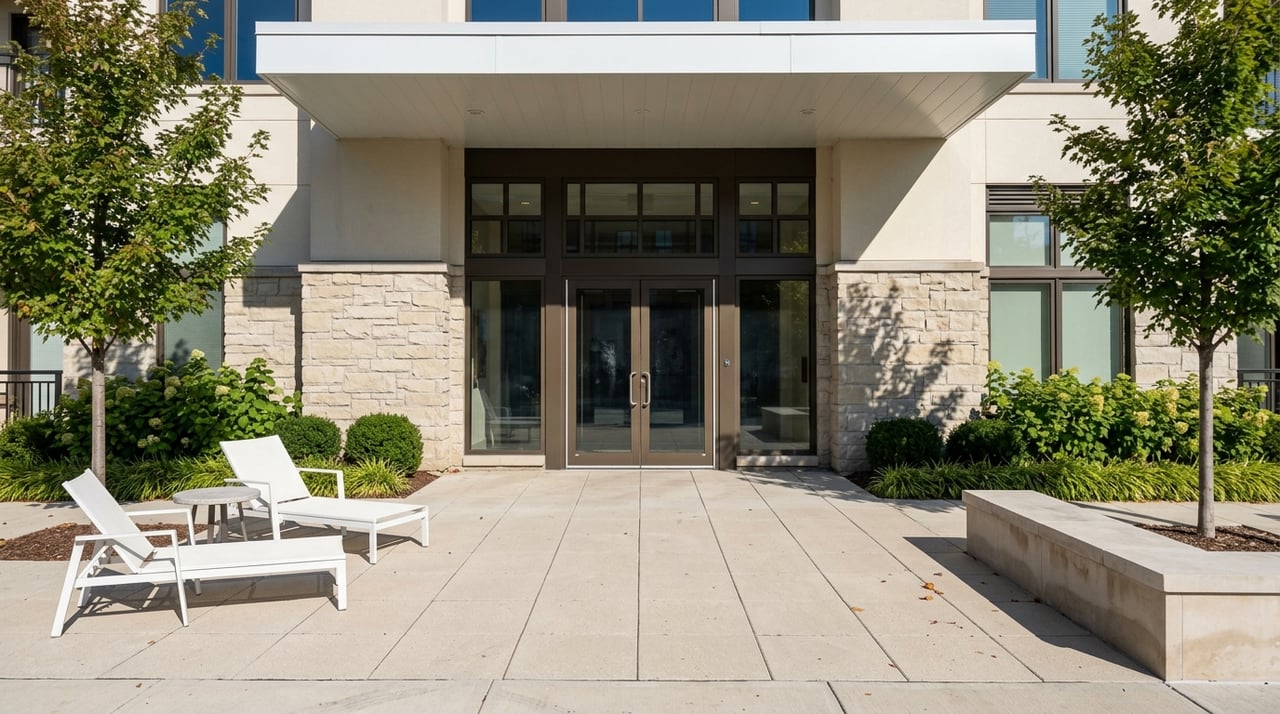
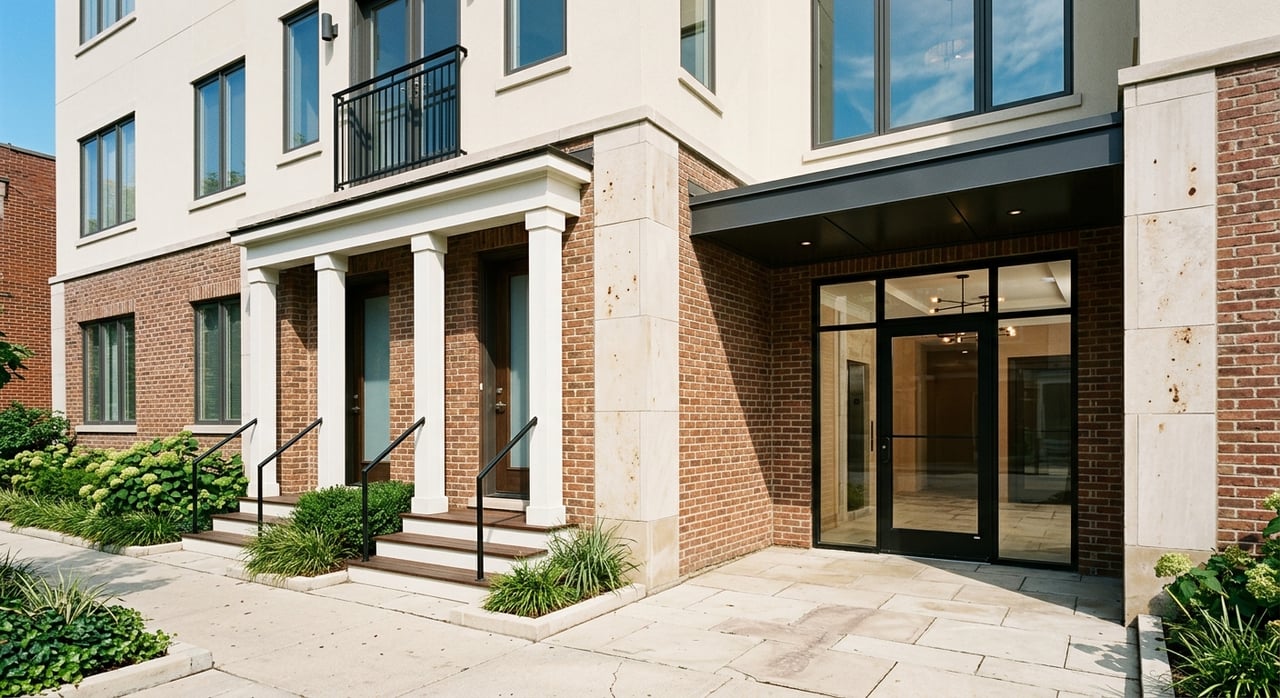
Rosslyn, Ballston, Courthouse, Virginia Square, Shirlington, and Crystal City or Pentagon City are more likely to support a condo- or apartment-heavy lifestyle. If you want lower-maintenance living with easy access to restaurants, markets, trails, and transit, these areas often align with that goal.
For many people, that translates into simpler weekends. You may spend less time on yard work and more time enjoying neighborhood amenities right outside your building or a short walk away.
Detached homes and quieter neighborhood fabric
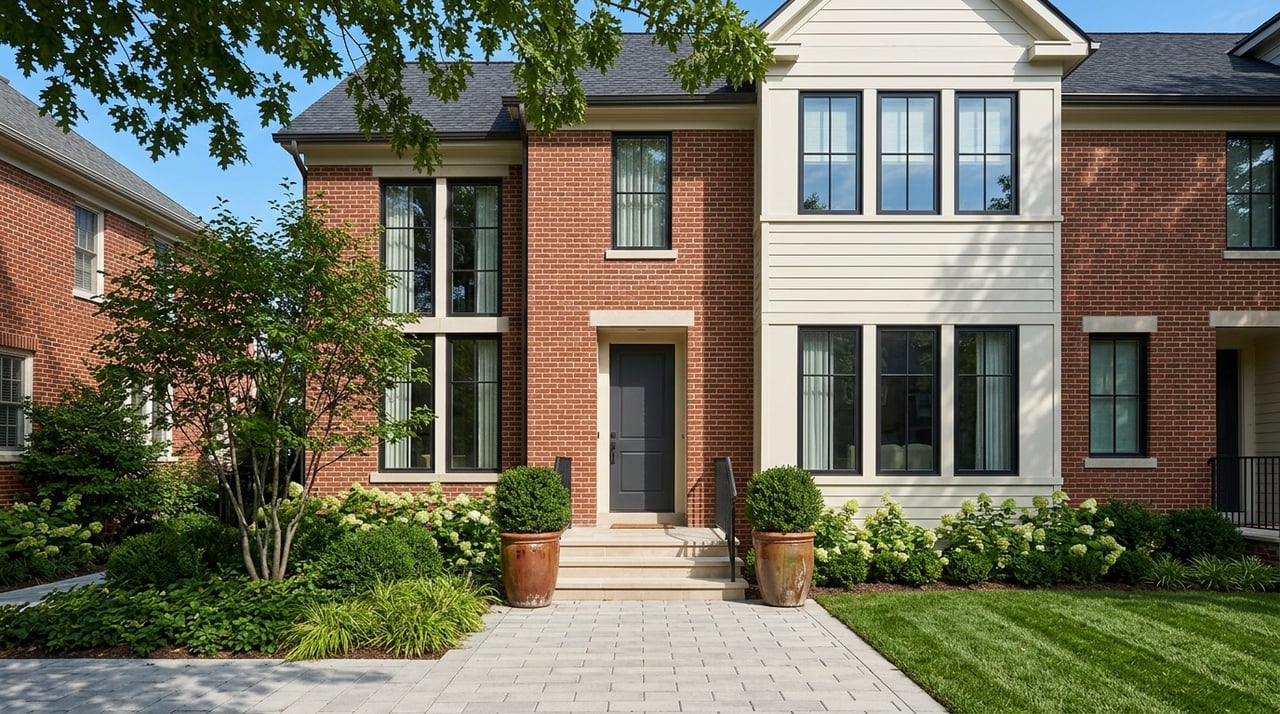
Outside the main corridors, Arlington offers a different kind of weekend pace. Cherrydale retains early bungalow and single-family fabric, Lyon Park is described as largely composed of single-family homes, and Westover includes many 1940s garden apartments along with a planned residential pattern developed in phases from 1939 to 1957.
If you prefer a home with more space and a more residential setting, these areas may feel like a better match. Your weekends may still include parks, trails, and local shopping, but the rhythm can feel a bit more neighborhood-based and less vertical or high-density.
How to choose your Arlington weekend fit
When you compare Arlington neighborhoods, it helps to think beyond square footage and price. Ask yourself how you want a typical Saturday or Sunday to feel.
You might want to live close to a Metro station and walk to coffee, markets, and dinner. You might prefer easy trail access and a park nearby. Or you may want a more traditional residential setting that still keeps neighborhood amenities within reach.
A few questions can help narrow your search:
- Do you want a mostly walkable weekend routine?
- Would you rather be near a farmers market, a trail, or a dining district?
- Are you looking for condo convenience or more space in a detached home or townhouse?
- Do you want a more urban feel, or a quieter neighborhood pattern?
- How important is transit access for both weekdays and weekends?
The right answer depends on your routine, your housing goals, and the kind of home base you want in Northern Virginia. Arlington offers a wide range of options, but the best fit usually comes from matching your home search to how you actually want to live.
If you’re weighing Arlington neighborhoods, condo options, townhouses, or single-family homes, working with a local advisor can help you connect the lifestyle details to the market realities. Katie Stowe brings a warm, data-informed approach to buying, selling, renting, and relocation across Arlington and the surrounding Northern Virginia market.
FAQs
What is weekend living like in Arlington, VA?
- Weekend living in Arlington often centers on walkable neighborhood hubs, farmers markets, parks, trails, cafés, and arts destinations, with many routines shaped by transit-rich corridors.
Which Arlington neighborhoods feel most walkable on weekends?
- Rosslyn, Ballston, Clarendon, Courthouse, Virginia Square, and parts of Shirlington are closely associated with walkable, transit-oriented weekend living based on their mix of housing, dining, arts, and Metro or bus access.
Are there farmers markets in Arlington on both Saturday and Sunday?
- Yes. Arlington County lists Saturday markets in Courthouse and Fairlington, plus Sunday markets in Columbia Pike and Westover.
Does Arlington have good parks and trails for weekend activities?
- Yes. Arlington County says the county has nearly 49 miles of paved, multi-use trails, along with parks such as Lubber Run Park, Bon Air Park, Long Bridge Park, and Westover Park.
What housing types are common in Arlington, VA?
- Apartments and condos make up most of Arlington’s housing stock, while single-family detached homes account for about 21.6 percent of units and townhouses about 3.6 percent, according to the county’s 2025 housing dashboard.
How do Arlington housing choices affect weekend lifestyle?
- Homes near Metro corridors often support a lower-maintenance, walkable lifestyle, while neighborhoods farther from the main corridors are more likely to offer detached homes, garden apartments, and a quieter residential pace.