Trying to choose between Fairfax and Arlington can feel like comparing apples and oranges, especially when schools and housing are at the top of your list. You might be weighing commute time against square footage, or a school lottery against a guaranteed neighborhood assignment. This guide gives you a clear, side‑by‑side look at how the two counties stack up on schools, commutes, and home options, so you can align your move with your family’s goals. Let’s dive in.
Schools: size and structure
Fairfax schools at a glance
Fairfax County Public Schools (FCPS) is one of the nation’s largest systems, with roughly 181,000 students across a wide geography and many program centers. You will often hear families talk in terms of elementary to middle to high school “pyramids” and countywide centers for IB, AP, STEM, and CTE. For a feel for FCPS’s scale and offerings, review the district’s overview in its report on the 2024–25 school year.
Because the system is large, buyers frequently shop by pyramid. Neighborhoods that feed into high schools like McLean, Langley, Oakton, Madison, and West Springfield are commonly prioritized by school‑focused buyers. Boundary decisions happen at scale and can shift feeder paths, so keep an eye on FCPS boundary review activity and results.
Arlington schools at a glance
Arlington Public Schools (APS) is much smaller, with about 27,000 to 28,000 students in recent fall counts. APS runs a compact, countywide system with a high share of option programs, including Montessori, dual‑language immersion, H‑B Woodlawn, and Arlington Tech. Many of these seats are filled through applications or lotteries, which changes the house‑hunting calculus. APS publishes monthly enrollment and program summaries that help you see the size and distribution of these option programs. You can find those on the APS enrollment and statistics page.
In Arlington, the “right fit” for your child might be a countywide option rather than your assigned neighborhood school. That can be great for access to specialized programs, but it also means understanding deadlines, preference rules, and waitlists.
Accountability and ratings
Virginia launched a new School Performance and Support Framework (SPSF) in late 2025. Families should look to the state’s SPSF profiles for formal accountability designations and then use district materials to understand program access and growth. For background on the rollout, see this overview of Virginia’s new ratings and APS’s SPSF explainer.
Boundary changes and why they matter
Boundary shifts can affect which school a home feeds to and can influence resale conversations. FCPS approved a first set of boundary revisions in January 2026 tied to overcrowding and shifting enrollment. For context, review the coverage of the Fairfax boundary decision and the district’s boundary review updates and community feedback. If a specific pyramid is important to you, confirm the current assignment for each address and ask about any planned reviews.
What this means for your search
- In Fairfax, buying by pyramid is common. If a feeder path is a must‑have, verify the address on FCPS maps and review recent boundary projects.
- In Arlington, many sought‑after programs are countywide and application‑based. Buying near a program does not guarantee a seat. Study option timelines, transfer rules, and waitlist realities on APS pages.
- In both counties, use the state SPSF profiles alongside local reports to form a well‑rounded view of school performance and access.
Commute and access to DC
County commute benchmarks
The U.S. Census QuickFacts show mean travel time to work of about 26.2 minutes in Arlington County and about 28.9 minutes in Fairfax County. These are county‑level averages that mask big neighborhood differences. See the figures on Arlington QuickFacts and Fairfax QuickFacts.
Transit differences
Arlington has higher transit and walk or bike shares thanks to its dense, Metro‑oriented corridors like Rosslyn–Courthouse–Clarendon and Crystal City–Pentagon City. Fairfax is larger and more auto‑oriented overall, with stronger transit access in inner areas such as parts of Tysons and Reston. For a helpful regional view of who rides and where, see this analysis from Greater Greater Washington.
Routes that matter
Common driving routes include I‑66 west to and from DC, I‑395 from south and east Arlington, the Beltway I‑495, Route 50, Route 7, and the GW Parkway. Express lanes on I‑66 and I‑495, plus park‑and‑ride, VRE, and Metro connections can shorten door‑to‑door time. For more on how regional travel patterns are shifting, the Washington Post summarizes recent commuting survey findings.
How to assess your own commute
- Map two modes for your top neighborhoods: one transit path and one driving route. Compare peak and off‑peak timing.
- Factor in parking or transfer time if you plan to use Metro, VRE, or park‑and‑ride.
- Try a real‑world test on a weekday if your timeline allows. Even one trial run can clarify expectations.
Housing: prices and what you get
Price snapshot
County medians give a helpful baseline. In January 2026, Fairfax County’s median sale price was roughly $682,000 based on Redfin’s snapshot. Arlington County’s median was about $739,000 in late 2025, with Zillow’s typical home value index in the high $700,000s. Fairfax’s ZHVI ranged around $705,000 to $749,000 depending on the series and month. Methods differ by platform, so use date‑stamped stats and active comps for your specific area and property type.
Housing stock and tenure
Housing stock and occupancy patterns drive much of the price and lifestyle difference.
- Owner‑occupied share: Fairfax is about 68.6 percent owner‑occupied, while Arlington is about 41.3 percent owner‑occupied, per ACS QuickFacts 2020–2024. See details on Fairfax QuickFacts and Arlington QuickFacts.
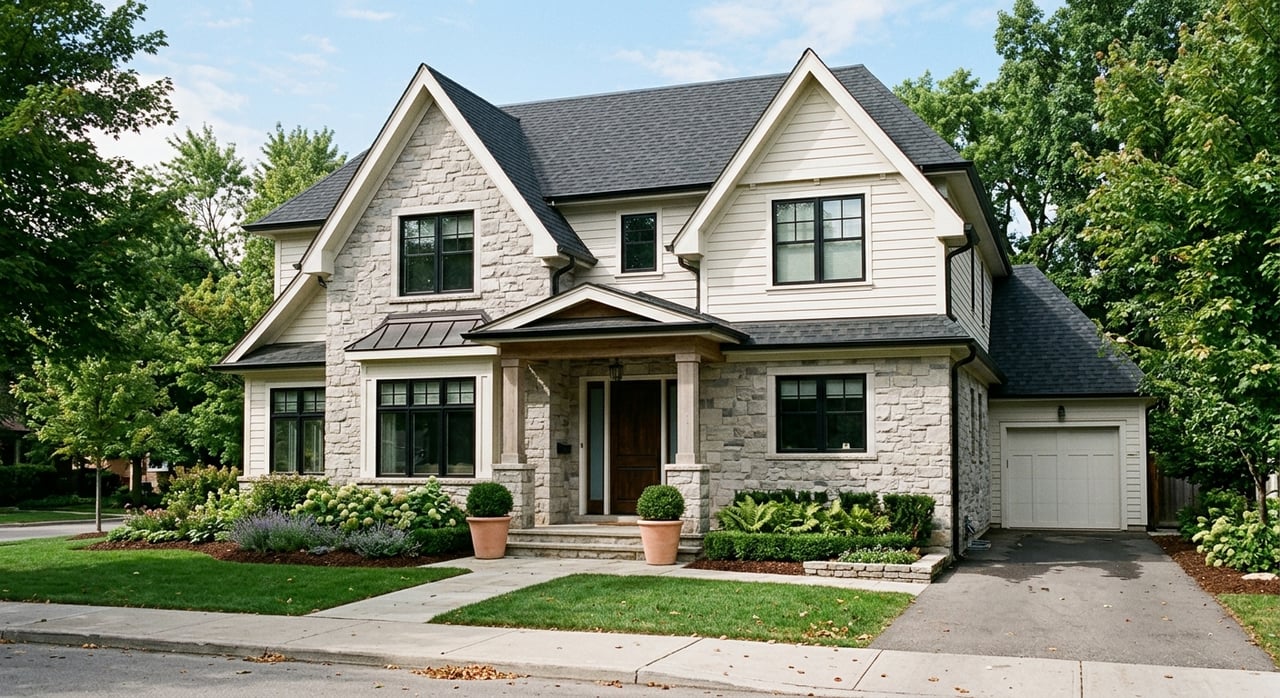
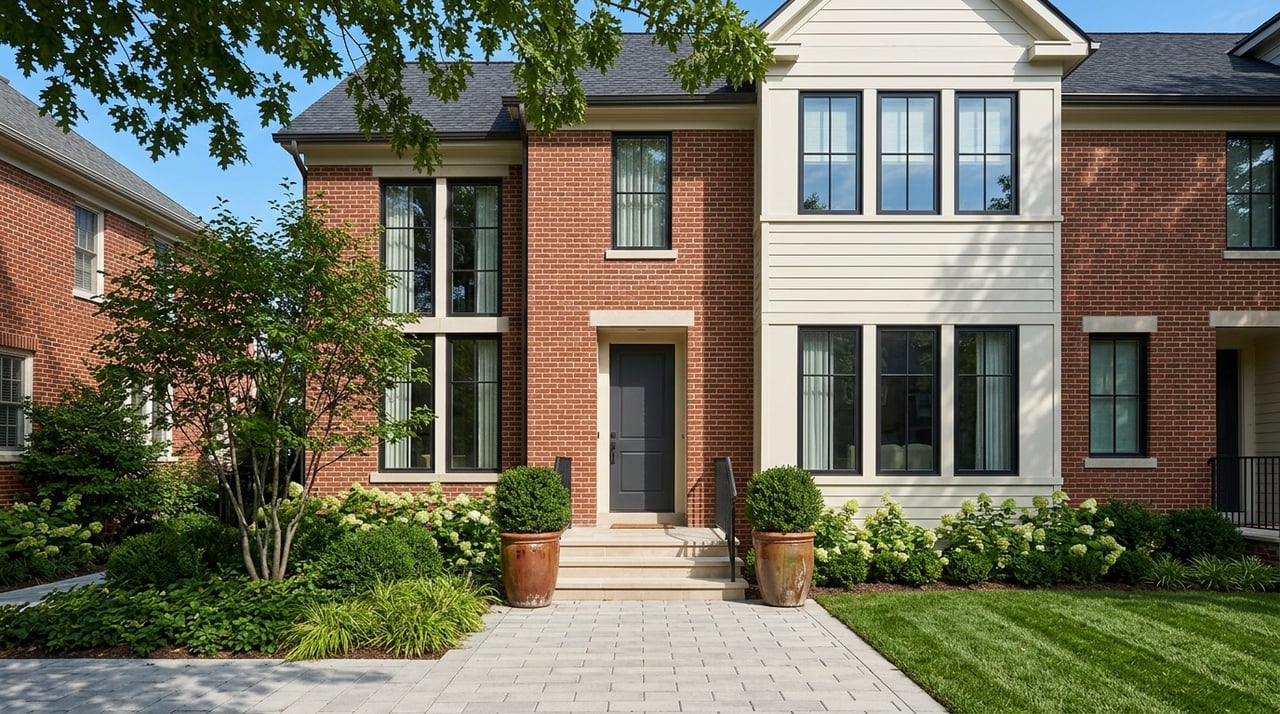
- What that means: Fairfax generally offers more single‑family neighborhoods and larger lots. Arlington has a higher share of apartments and condos near Metro, which supports short commutes and walkable amenities.
What your budget tends to buy
Every submarket is different, but these county‑level patterns are common in recent snapshots.
About $500,000 to $650,000
- Arlington: Mostly condos and smaller two‑bedroom units, plus select townhomes in less central locations.
- Fairfax: Many townhomes and a good number of single‑family options in outer or older in‑town areas such as parts of Herndon and Centreville.
About $700,000 to $900,000
- Arlington: Larger condos, stronger townhome options, and occasional smaller single‑family homes in select pockets of North Arlington.
- Fairfax: Comfortable single‑family homes in many neighborhoods, including parts of Fairfax, Reston, Burke, and portions of Vienna depending on the micro‑market.
Above $1 million
- Arlington: Access to single‑family homes in more neighborhoods, larger townhomes, and luxury condos near transit.
- Fairfax: More house and lot for the money in many areas. McLean and Falls Church corridors are among the pricier Fairfax submarkets.
Inventory and pace
Inventory and days on market have fluctuated across Northern Virginia since 2023. Late‑2025 snapshots showed Fairfax with more inventory than inner Arlington in many months, with Arlington pricing often tighter on a per‑square‑foot basis near Metro. For your search, rely on current MLS data, live dashboards, and same‑neighborhood comps rather than county‑wide medians alone.
Key trade‑offs to weigh
- Schools vs. space. If you want larger lots and more square footage per dollar, Fairfax often delivers. If you prioritize shorter trips to DC, Metro access, or walkable corridors, Arlington often fits better. The owner‑occupancy gap highlights this difference.
- Guaranteed neighborhood school vs. option lotteries. If a specific feeder path is your top priority, Fairfax’s size and pyramid structure may guide your choice. If you are open to countywide programs with applications or lotteries, Arlington’s options can be appealing. Be sure you understand eligibility, deadlines, and waitlists.
- Boundary and program changes. FCPS’s January 2026 boundary updates show how shifts can occur over time. In both counties, confirm assignments for each address, monitor review calendars, and plan for possible adjustments.
- Commute certainty. County averages suggest Arlington commuters travel a bit less on average, but your exact neighborhood and mode will matter more than the average. Run your own route tests to validate timing.
Buyer checklist
Use this quick list to keep your search focused and factual.
- Confirm school assignment for each address. If a pyramid is a must, ask for the official feeder list and check the latest FCPS boundary materials, including review updates.
- In Arlington, learn how option programs work. Understand the difference between neighborhood schools and countywide options, plus application deadlines and transfer limits. Start with APS’s enrollment and program summaries.
- Ground your commute plan. Note the county averages on Arlington QuickFacts and Fairfax QuickFacts. Then test a transit path and a driving route from your short list.
- Set a price band by property type. Use current MLS comps for your exact neighborhood and housing type rather than only county medians. Expect tighter per‑square‑foot pricing near Metro in Arlington and more house per dollar in much of Fairfax.
- Ask for live examples. Request three active listings that fit your budget in both counties, labeled with school assignment and estimated commute options, so you can compare apples to apples.
How Katie helps you choose
If you are balancing schools, commute time, and a move on a deadline, the process can feel complex. You deserve a calm, data‑driven partner who knows how each decision affects the next. With a Pricing Strategy Advisor designation and an M.S. in Statistics, plus hands‑on relocation experience for Foreign Service, military, and government‑connected households, I bring clear pricing, strong timelines, and transparent school research to every search. From mapping FCPS pyramids and APS option steps to modeling commute scenarios and staging a sale, I manage the details so you can make a confident choice.
Ready to compare Fairfax and Arlington for your family’s goals? Let’s build a plan around your school preferences, commute, and budget. Connect with Katie Stowe to get started.
FAQs
Which county has shorter average commutes?
- Census QuickFacts show a mean commute of about 26.2 minutes in Arlington and 28.9 minutes in Fairfax, but your door‑to‑door time depends on your neighborhood and mode.
How do Arlington’s school lotteries affect home choices?
- Many APS programs are countywide and use applications or lotteries, so buying near a program does not guarantee a seat; review APS timelines, transfer rules, and waitlists before you buy.
What changed with Fairfax school boundaries in 2026?
- FCPS approved boundary revisions in January 2026 tied to enrollment shifts; verify each address on FCPS maps and review current boundary materials if a specific pyramid matters.
How do median home prices compare right now?
- Recent snapshots place Arlington’s median sale price around the high $700,000s and Fairfax around the low $700,000s, with precise figures varying by month and data source.
Where will I typically find more space per dollar?
- Fairfax generally offers larger lots and more single‑family options per dollar, while Arlington often trades space for proximity to Metro, walkability, and shorter average commutes.