Moving to Arlington can feel simple on a map and complicated in real life. The county is small, highly connected, and packed with very different housing and commuting patterns depending on where you land. If you are relocating from D.C. or another part of the region, this guide will help you narrow your neighborhood search, match your commute to the right transit lines, and make smarter rent-versus-buy decisions before you commit. Let’s dive in.
Why Arlington Feels So Different Block to Block
Arlington covers about 26 square miles, but it does not live like one uniform market. County planning concentrates higher-density development near key Metrorail stations, especially in the Rosslyn-Ballston and Richmond Highway corridors. That is a big reason one area may feel fully urban while another feels quieter and more residential just a short distance away.
For newcomers, that matters because your day-to-day experience often depends less on the county name and more on your exact station area. Arlington’s estimated 2026 population is 244,300, and the county combines a dense housing market with high costs and strong international appeal. Current county data shows a median household income of $142,114, a median gross rent of $2,322, and a median owner-occupied home value of $895,000.
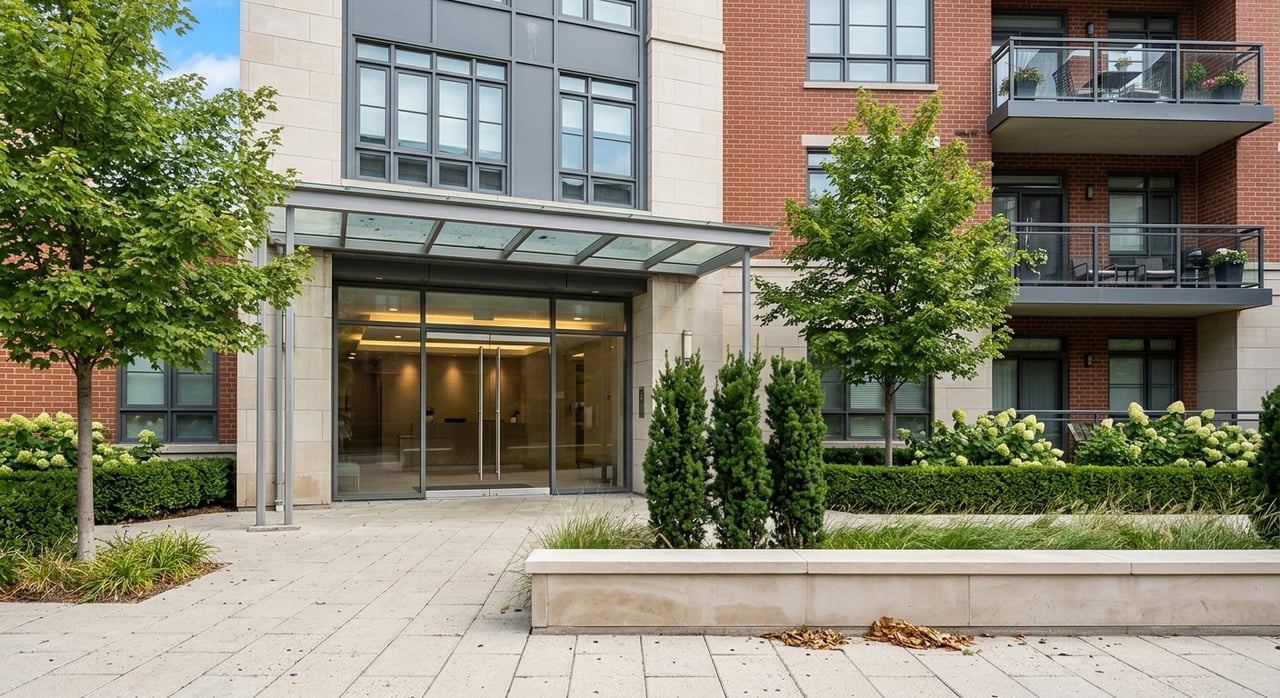
The housing mix also explains a lot. Since 2020, 99% of net housing growth has come from multifamily apartments and condos. If you want the widest selection of rentals or condos, you will usually find it in Metro-oriented neighborhoods rather than in lower-rise residential edge areas.
Start With Your Arlington Living Style
The fastest way to begin your search is to decide what kind of Arlington experience fits your routine. In practical terms, most newcomers are choosing among three broad patterns: Metro-core urban living, south Arlington mixed-use living, or a more residential edge setting.
Choose Metro-Core for Fast Rail Access
If you want a highly walkable, station-centered lifestyle, start in the Rosslyn-Ballston corridor. This is Arlington’s most urban housing pattern, with dense development generally concentrated near Metrorail stations. It tends to work well if your priorities are shorter rail commutes, easy access to dining and daily services, and a larger supply of apartments and condos.
Rosslyn is a strong fit if you want the fastest access into downtown D.C. Arlington notes that Rosslyn has more than 6,000 residences within a 10-minute walk of the Metro station, with high-rise apartments, condos, smaller buildings, and newer townhouses. WMATA lists Rosslyn on the Orange, Silver, and Blue lines.
Courthouse works well if you want transit and restaurants close by in a county-center setting. Arlington describes it as the center of county government, with a mix of residential, office, and commercial space around the station. Court House is on the Orange and Silver lines.
Clarendon is often the shortlist choice for people focused on walkability and a lively street scene. The county describes Clarendon as a walkable neighborhood with nightlife, public art, open space, tree-lined streets, and a mix of homes, offices, and retail. The station area includes both single-family homes and multifamily housing.
Ballston offers a busier downtown-style environment with many amenities in one place. Arlington describes it as a major transportation hub with office and residential buildings, hotels, shops, restaurants, and open spaces. Ballston-MU is on the Orange and Silver lines.
Virginia Square may appeal if you want a station area that still feels more residential. The county describes it as predominantly residential and notes cultural and educational amenities like the main library, the Museum of Contemporary Art Arlington, and a George Mason University campus.
Choose South Arlington for Mixed-Use Convenience
If you want a connected, amenity-rich area in south Arlington, look closely at Pentagon City, Crystal City, and Shirlington. These areas can be especially useful if your routine includes major employment centers, airport access, or bus-based commuting.
Pentagon City is a practical option if you want transit-oriented living near shopping and the Pentagon. Arlington describes it as a dining and shopping destination inside the Beltway and within walking distance of one of the busiest Metro stations in the system. Pentagon City is on the Blue and Yellow lines.
Crystal City stands out for mixed-use living and ongoing reinvestment. Arlington says the area is close to the Pentagon and Washington National Airport, within walking distance of Crystal City Metro, and part of planning efforts aimed at more housing options, improved public spaces, and stronger ground-floor retail. For many relocators, that means a neighborhood with strong access today and visible change underway.
Shirlington offers a different feel. Arlington describes it as having townhouse communities, high-rise apartments, restaurants, parks, a dog park, a cinema, the public library, and trail access along Four Mile Run, plus bus service from Shirlington Bus Station. If rail access is not your top priority, Shirlington can be a good fit for people who want a neighborhood feel with built-in amenities.
Choose Residential Edge Areas for Lower-Rise Options
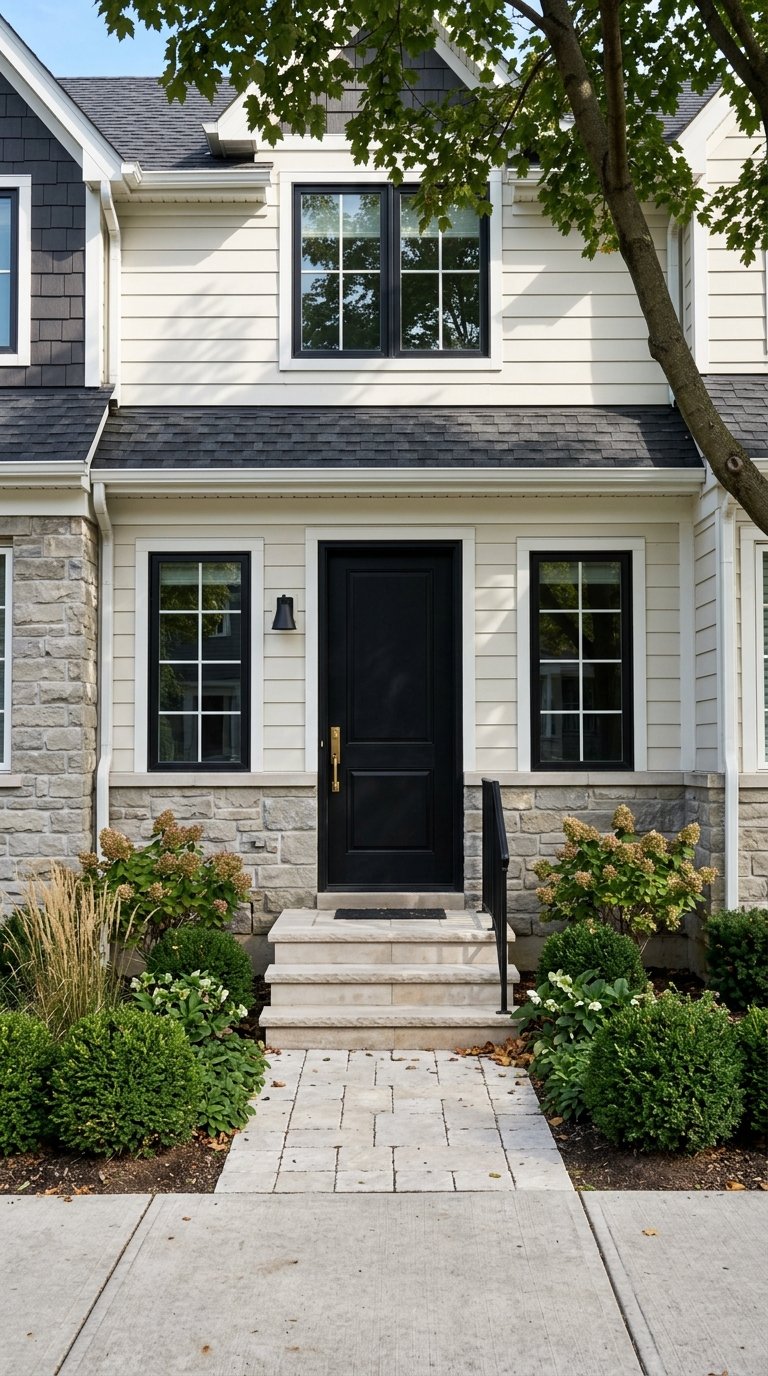
If you want lower-rise housing and a more residential setting while staying connected to transit, East Falls Church deserves an early look. Arlington describes it as a residential community on the county’s western edge with single-family homes, townhouses, parks, and schools. The W&OD and Custis trails also run through the neighborhood, and East Falls Church station is on the Orange and Silver lines.
This type of area can make sense if you want more trail access, a quieter streetscape, or housing types that differ from the county’s denser station-core inventory. It is still important to compare exact addresses, because access to rail, trails, and daily errands can vary even within the same broader area.
Match Your Commute Before You Pick a Home
In Arlington, station choice is often just as important as neighborhood name. Different Metro lines serve different parts of the county, and that can shape your commute more than the overall address.
Here is the quick transit breakdown for common relocation targets:
| Area | Metro Lines |
|---|---|
| Rosslyn | Orange, Silver, Blue |
| Courthouse | Orange, Silver |
| Ballston | Orange, Silver |
| East Falls Church | Orange, Silver |
| Pentagon City | Blue, Yellow |
| Crystal City | Blue, Yellow |
ART, Arlington’s local bus system, also matters more than many newcomers expect. The county says ART connects neighborhoods to Metrorail and Virginia Railway Express, while also supplementing Metrobus with cross-county and neighborhood routes. In practice, that means bus-plus-rail commuting is realistic in many parts of Arlington, not just right next to a Metro entrance.
Walking and biking can also meaningfully reduce car dependence. Arlington highlights walking, biking, and commuting resources across the county, and several neighborhoods connect directly to regional trails. East Falls Church links to the W&OD and Custis trails, while Shirlington has trail access along Four Mile Run.
Renting Versus Buying in Arlington
Because Arlington is expensive, the rent-versus-buy decision is rarely just about monthly cost. It is usually about timing, flexibility, commute certainty, and the type of home you want.
Current data points help frame the choice. Median gross rent is $2,322, median owner-occupied home value is $895,000, and median monthly owner costs with a mortgage are $3,649. Those numbers support what many newcomers discover quickly: Arlington offers strong convenience, but the cost of locking in the wrong location can be high.
For many relocators, renting first is the practical move. It can give you time to test a commute, learn the difference between station areas, and confirm whether you want a condo, townhouse, or detached home. This is especially useful if you are moving on a tight timeline, arriving from overseas, or still sorting out work patterns.
Buying often makes more sense once you have settled three questions:
- Which commute pattern works best for your household
- Which housing type fits your daily life
- Which specific location you want to commit to long term
That is one reason Arlington’s market rewards a clear plan. With so much recent housing growth concentrated in multifamily properties, renters and condo buyers may see the deepest inventory in Metro-focused neighborhoods, while buyers seeking lower-rise or detached options may need a more targeted search.
School Boundaries Matter Early
If school assignment is part of your move, check boundaries before you choose a home. Arlington Public Schools assigns each Arlington address to a neighborhood elementary, middle, and high school. APS also states that every student is guaranteed a space in the school designated by the home address.
APS is currently accepting 2026-27 registrations, and there is no deadline to register at the neighborhood school. That can relieve some pressure, but it does not replace the need to verify the assigned school for a specific address. Border addresses and listings near attendance-line transitions deserve extra attention.
APS says neighborhood high schools are Wakefield, Washington-Liberty, and Yorktown. APS also offers option schools and programs, but those require an application and have limited seats. If your move depends on a neighborhood assignment rather than an option placement, it is wise to confirm that first and treat anything application-based as a separate path.
For households relocating from overseas or across language barriers, APS also provides a Welcome Center with language assessment, translated documents, and interpretation services. That can be especially helpful if your move includes international logistics or a compressed timeline.
A Simple Way to Narrow Your Search
If you are feeling overwhelmed, use this three-step filter before you tour homes. It keeps the search grounded in how Arlington actually works.
1. Pick Your Location Pattern
Decide whether you want:
- A Metro-core area like Rosslyn, Courthouse, Clarendon, Ballston, or Virginia Square
- A south Arlington mixed-use area like Pentagon City, Crystal City, or Shirlington
- A more residential edge area like East Falls Church
2. Build Around the Commute
Look at the exact station and line combination that supports your routine. Orange and Silver line access may point you one direction, while Blue and Yellow line access may point you another. If you are not using Metro daily, also check ART bus connections and trail access.
3. Verify Housing and School Fit
Before you commit, confirm whether the home type, school assignment, and level of flexibility match your plan. In Arlington, a condo near Metro and a townhouse near trails can offer very different lifestyles, even if the drive time looks similar on paper.
A smooth move usually comes down to getting those three decisions in the right order. Once you do that, Arlington becomes much easier to navigate.
If you are relocating to Arlington from D.C. or another part of the region, the right strategy is not to search everywhere at once. It is to focus on the station areas, housing types, and timing that fit your real daily life. If you want expert help narrowing the options and building a move plan that works, Katie Stowe can help you relocate with clarity and confidence.
FAQs
What is the best Arlington neighborhood for a D.C. commuter?
- It depends on your destination and preferred transit line, but Rosslyn, Courthouse, Clarendon, Ballston, Pentagon City, and Crystal City are common starting points because they are closely tied to Metro access.
Should you rent first when relocating to Arlington, VA?
- Renting first can make sense if you need flexibility, want to test a commute, or need time to confirm school boundaries and preferred housing type before buying.
How do Arlington Public Schools assign students to schools?
- Arlington Public Schools assigns each address to a neighborhood elementary, middle, and high school, and APS says every student is guaranteed a space in the school designated by the home address.
Which Arlington areas have the most condo and apartment options?
- County planning and housing growth patterns suggest the deepest rental and condo inventory is typically in Metro-oriented neighborhoods, especially in the Rosslyn-Ballston corridor and other mixed-use station areas.
Is Arlington, VA a good place to live without a car?
- In many neighborhoods, yes. Metro access, ART bus connections, walkable station areas, and trail networks in places like East Falls Church and Shirlington can support a lower-car lifestyle.
What should families verify before moving to Arlington, VA?
- Families should verify the exact school boundary for any address they are considering, along with commute options, housing type, and whether a rental or purchase best fits their timing.