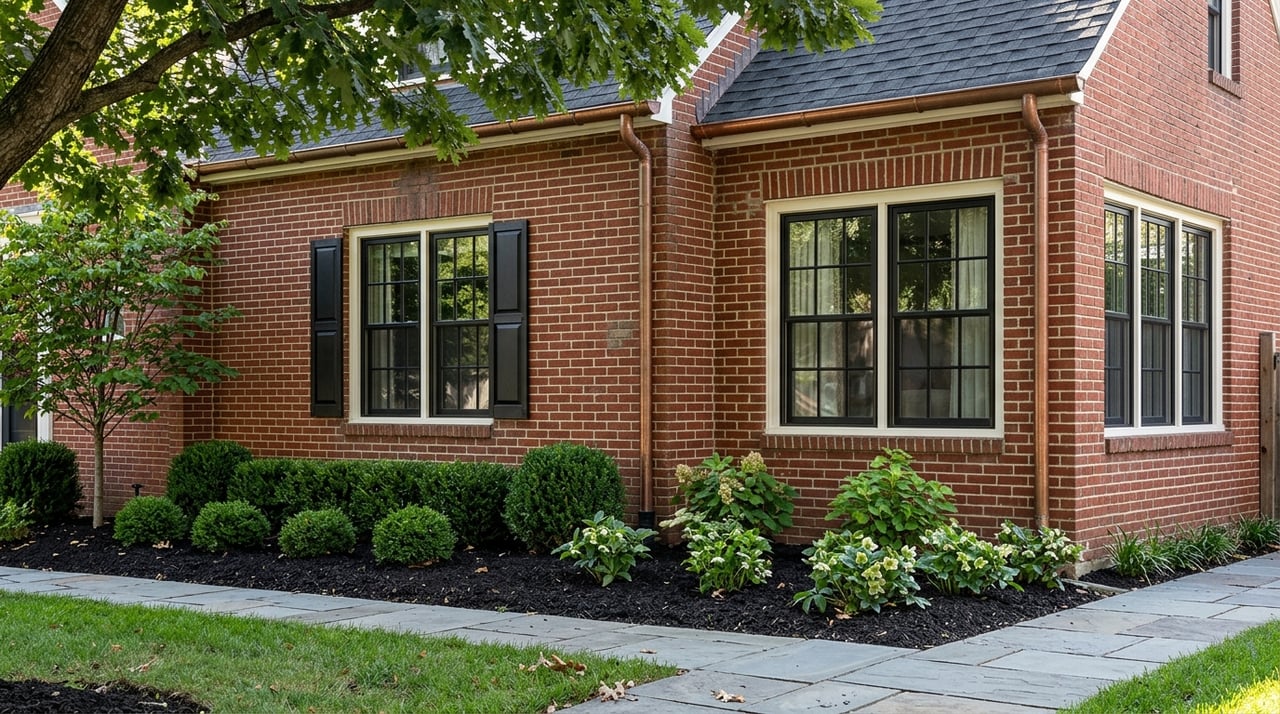
Thinking about buying an older home in Falls Church? You are not alone, and you are not wrong to have questions. Older homes can offer charm, character, and great locations, but they also call for a more careful review of condition, permits, and past updates. The good news is that with the right checks, you can move forward with much more clarity and confidence. Let’s dive in.
Why older Falls Church homes need closer review
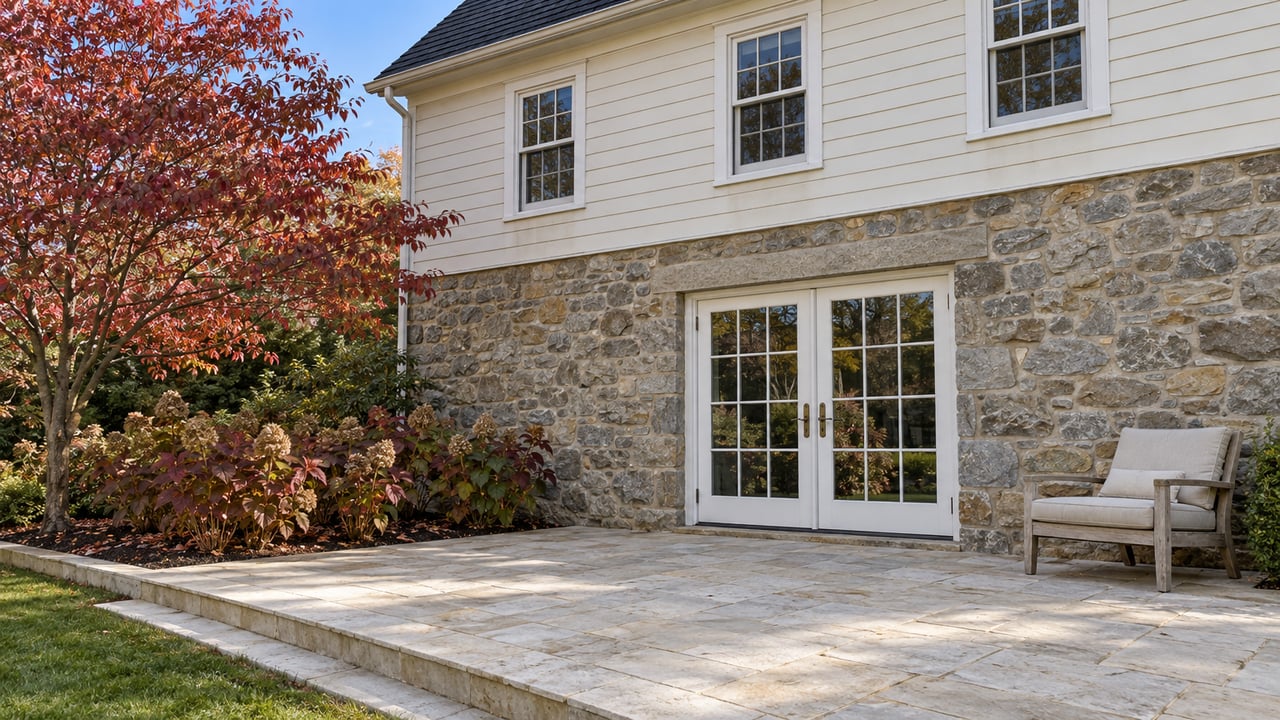
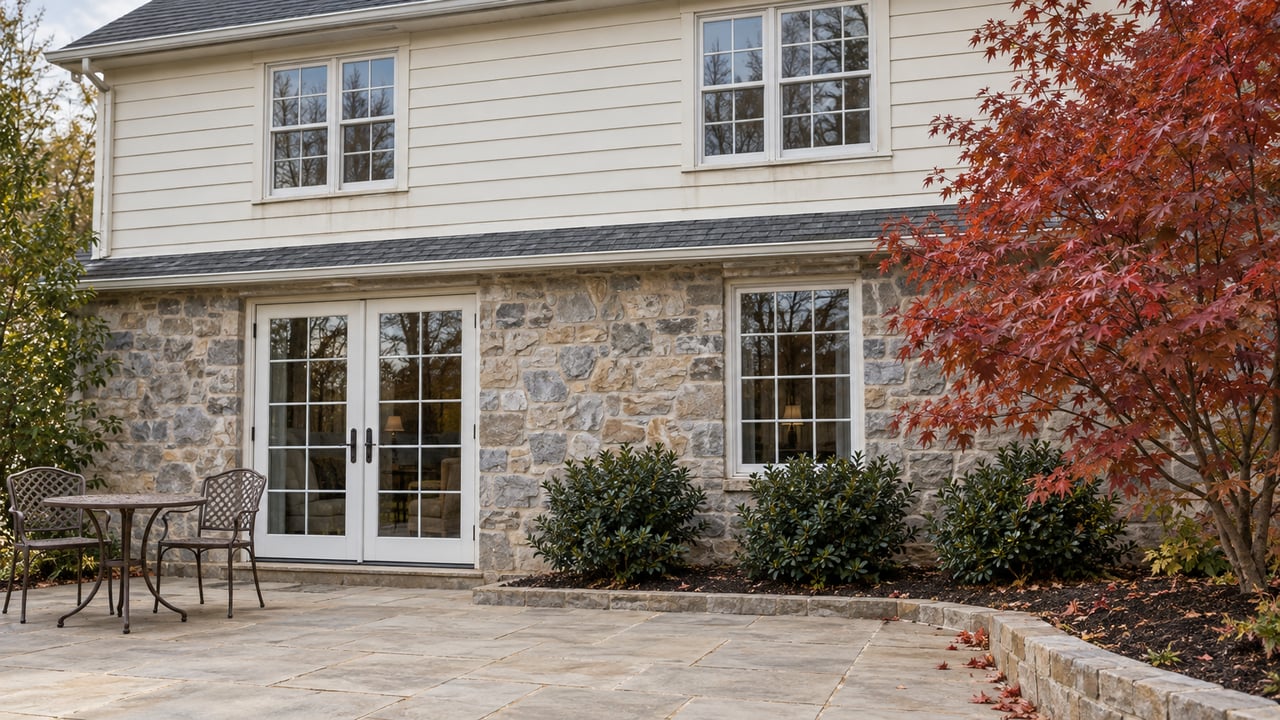
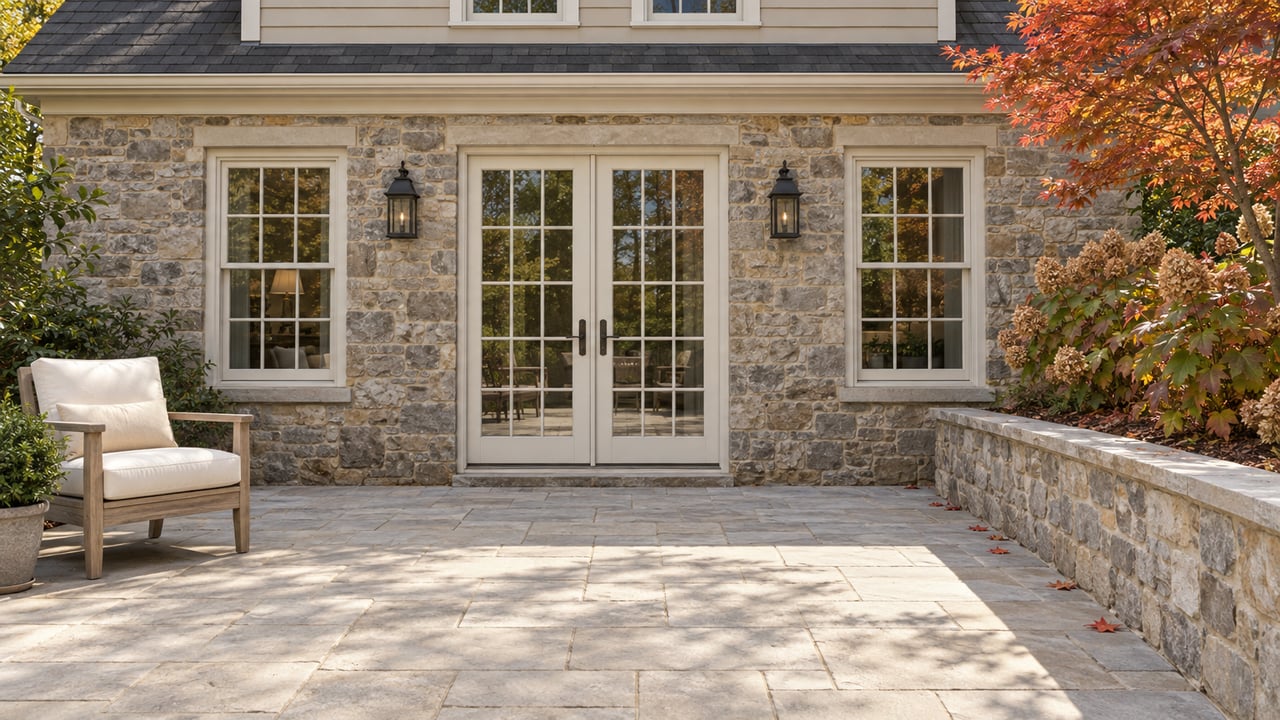
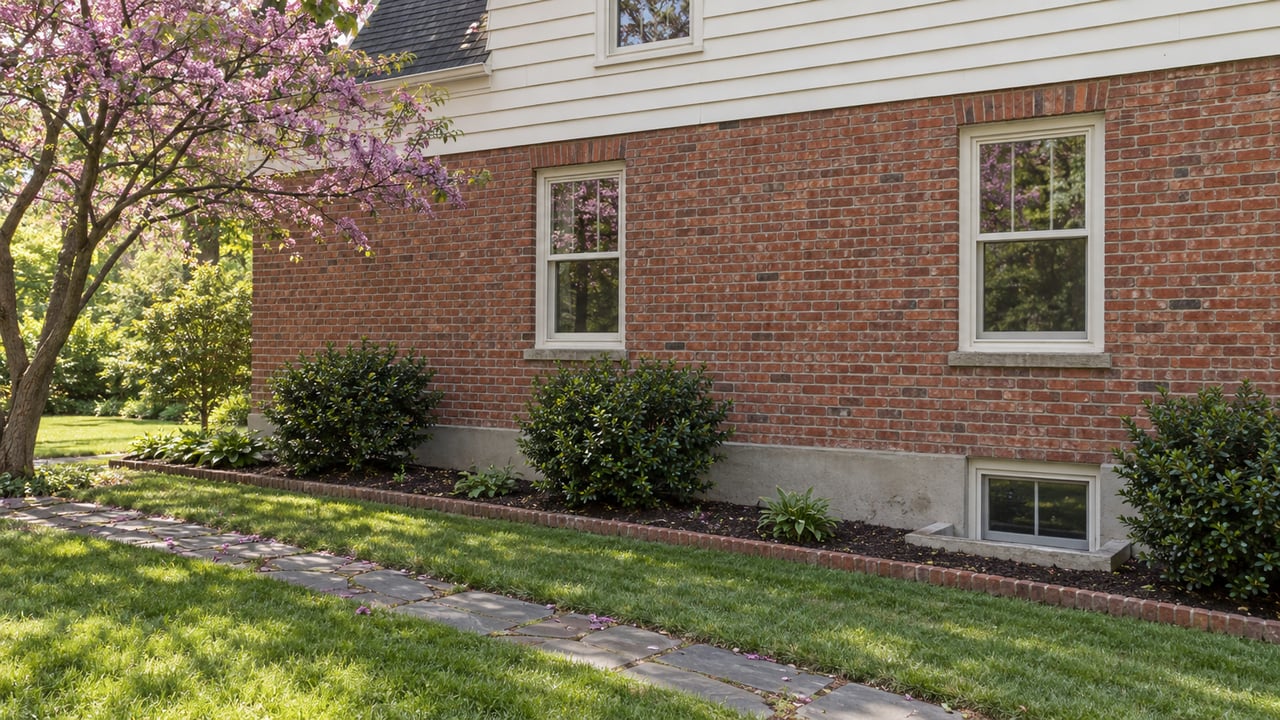
Falls Church has a wide mix of housing styles and eras. The city’s long-range planning documents describe everything from Victorian-era homes and bungalows to colonials, cape cods, ranch homes, and newer townhouses. The city also documented more than 200 homes built before 1930, which means older housing is a meaningful part of the local market.
That variety is part of the appeal, but it also means no two older homes are quite the same. One house may be largely original, while another may have major additions, a reworked floor plan, or updated exterior features. In Falls Church, age alone does not tell you the full story.
Confirm the home is actually in Falls Church
This is an easy step to miss. The City of Falls Church notes that a Falls Church mailing address can extend outside the city limits. That means a property may have a Falls Church address without actually being inside the City of Falls Church.
Why does that matter? City limits can affect permits, zoning, and whether certain historic review rules apply. Before you assume city requirements govern a property, verify its actual jurisdiction early in your search.
Look past listing language
Words like updated, renovated, original, or well maintained can be helpful, but they should not be your only source of truth. In an older home, those terms often raise follow-up questions rather than answer them.
For example, if a listing mentions a new kitchen, roof, or addition, it is smart to cross-check public records. Falls Church provides a property database with assessed values and physical characteristics, and the city’s assessment office also keeps house characteristics and sales history. That can help you compare marketing language with what appears in the public record.
Verify the paper trail early
For older homes, paperwork matters almost as much as the home itself. If a house was expanded or substantially altered, you want to understand what was changed and whether city review or approvals were part of that process.
A zoning verification letter can be useful here. Falls Church says these letters can show zoning designation, permitted uses, known nonconformities, outstanding violations, and prior approvals. They do not confirm building or fire code compliance, but they can still give you a much clearer picture of what is known in the city record.
Understand historic review in Falls Church
Historic review is another area where buyers should slow down and ask questions. Falls Church’s Historic Architectural Review Board, or HARB, oversees the historic district as a zoning overlay district for the entire city.
The city says HARB reviews permits to demolish or move protected structures. Historic structures include residences built during or before 1910, along with any other structure specifically protected by ordinance. For alterations to historic structures, HARB makes recommendations rather than final decisions, but the review process can still affect your planning.
If you are considering an older home with future renovation plans, this is worth checking during due diligence, not after closing. It is much easier to budget and plan when you understand possible review requirements upfront.
Treat the inspection as a planning tool
A home inspection is especially important when you are buying an older Falls Church home. Consumer guidance from CFPB recommends scheduling the inspection as soon as possible and attending if you can. That gives you a better chance to understand the report, ask questions in real time, and address issues before closing.
It also helps to frame the inspection correctly. An inspection is not a pass-fail test, and it is not the same thing as an appraisal. Instead, think of it as a snapshot of the home’s current condition and a tool for budgeting future maintenance and repairs.
What a standard inspection usually covers
According to consumer guidance from NAR, a standard home inspection generally reviews:
- Structure
- Exterior
- Roof
- Plumbing
- Electrical systems
- Heating and air conditioning
- Interiors
- Ventilation and insulation
- Fireplaces
In older homes, this broad review can help surface system-level concerns that may not show up during a quick showing. Common issues can include faulty wiring, drainage problems, HVAC concerns, foundation or structural issues, and safety items.
Consider specialist tests for older homes
A standard inspection is important, but older homes often call for a few extra layers of review. Depending on the home’s age, condition, and visible clues, specialist testing may help you make a more informed decision.
Lead risks in pre-1978 homes
The Virginia Department of Health says homes built before 1978 are more likely to contain lead-based paint. Buyers of pre-1978 homes should receive lead-hazard information and a 10-day period to conduct a paint inspection or risk assessment.
VDH also notes that homes built before 1986 may contain lead in pipes, plumbing fixtures, and solder. If you are looking at an older Falls Church home, this is one of the most important age-based questions to ask.
Radon testing in Falls Church homes
VDH says the only way to know whether a specific home has a radon problem is to test it. The agency recommends testing all homes, especially those being purchased, and says the lowest livable level should be tested.
This is helpful because radon cannot be confirmed by appearance alone. For planning purposes, VDH says a professional radon test usually costs about $100 to $200, while a typical sub-slab mitigation system may cost about $800 to $1,200. Homes with crawlspaces or multiple sections may cost $2,000 or more to mitigate.
Termite and WDO inspections
Wood-destroying organisms deserve special attention in older homes. Virginia Tech Extension says termite damage is often found near the ground and commonly affects wood that touches or sits close to soil.
A separate WDO inspection can be worth considering, especially because many mortgage companies require one. In an older home, this can help uncover hidden issues that a general inspection may not fully evaluate.
Water testing and older plumbing
Because VDH says lead can be present in plumbing materials in homes built before 1986, a separate water test or utility-line review may be worth discussing if the supply plumbing is older or the service-line material is unknown.
This is not needed in every case, but it can be a smart extra check when the home’s plumbing history is unclear. It is another example of how older-home due diligence often works best when tailored to the specific property.
Understand what “as-is” really means
If you are shopping competitively, you may run into older homes listed as-is. NAR explains that as-is or in its present condition means the seller is not making guarantees about the condition and has decided not to make repairs, even if you inspect the home.
That does not mean you should skip inspections. It means the inspection becomes even more important because it helps you understand what you are taking on. In an older home, that clarity can shape your offer strategy, your repair budget, and your comfort level moving forward.
Budget beyond the purchase price
When you buy an older home, your budget should go beyond down payment, closing costs, and the first inspection. Falls Church buyers should also account for possible specialist testing, permit fees, and post-closing repairs or upgrades.
This matters even more if you plan to make improvements soon after closing. Small projects can become bigger line items once permits, reviews, and inspections are added.
Know the local permit basics
Falls Church says some routine work does not require a permit. Examples include painting, patching, carpet, drywall replacement, and in single-family homes, replacement of an A/C or heat pump, plumbing fixture, roof, or windows.
But permit rules become more important when the work involves framing or gas appliances. The city says any gas-appliance work and any work involving framing needs a permit, and all work covered by a permit must be inspected by the city.
The city also notes that new permit fees took effect on July 1, 2026, and that most fees increased by about 35 percent. If you are planning immediate projects, current local fees should be part of your budget planning.
A simple due diligence checklist
If you want a practical way to evaluate an older Falls Church home, focus on these questions:
- Is the property actually inside the City of Falls Church?
- Does the home’s apparent age match the listing and public record?
- Were additions or major updates documented in city records?
- Should you request a zoning verification letter?
- Is the property potentially subject to historic review?
- What does the general inspection say about major systems?
- Do lead, radon, WDO, or water tests make sense here?
- What repairs or updates should be budgeted in year one?
- Will any planned work require permits or city inspections?
This kind of checklist helps you move from emotion to evidence. That does not take the charm out of an older home. It helps you enjoy that charm with fewer surprises.
Buy with confidence, not guesswork
Older homes in Falls Church can be wonderful opportunities. The key is to stay focused on documentation, inspections, and realistic budgeting rather than assuming every older home comes with the same risks.
If you ask the right questions early, you can separate cosmetic updates from meaningful improvements and understand what ownership may really look like after closing. That is how you buy an older Falls Church home with confidence.
If you want a calm, data-informed partner to help you evaluate older homes in Falls Church and navigate each step with clarity, Katie Stowe is here to help.
FAQs
What makes older Falls Church homes different from newer homes?
- Older Falls Church homes often have a mix of original features, later additions, and varying levels of renovation, so buyers should pay close attention to records, permits, and inspection findings.
How can you verify updates on an older Falls Church home?
- You can compare listing claims with the city’s property database, assessment records, and, when needed, a zoning verification letter that may show prior approvals, known nonconformities, and outstanding violations.
Do older homes in Falls Church need special inspections?
- In many cases, yes. Along with a general home inspection, buyers may want to consider lead, radon, termite or WDO, and possible water-related testing depending on the home’s age and condition.
What should you know about historic review in Falls Church?
- Falls Church has a Historic Architectural Review Board that reviews permits to demolish or move protected structures, and certain older properties may be affected by historic review rules.
Does a Falls Church mailing address mean the home is in the city?
- No. The City of Falls Church says some properties have a Falls Church mailing address even though they are outside city limits, so buyers should verify the property’s actual jurisdiction.
What does “as-is” mean when buying an older Falls Church home?
- It generally means the seller is offering the home in its current condition and does not plan to make repairs, which makes inspections and careful budgeting even more important.