Looking for a place that feels connected without feeling hectic? Falls Church has a way of offering exactly that. If you want a Northern Virginia lifestyle with easy access, walkable daily routines, and neighborhoods that feel more personal than sprawling, this guide will help you picture what living in Falls Church’s cozier corners is really like. Let’s dive in.
Why Falls Church Feels Cozy
Falls Church calls itself The Little City, and that description fits. The city covers just 2.2 square miles, which helps create a more manageable, local feel than you might expect this close to Washington.
That smaller footprint shapes daily life in useful ways. Instead of feeling spread out, Falls Church often feels like a group of connected residential pockets with shops, parks, and gathering places woven into everyday routines.
City Hall is about nine miles from the White House, and the city is accessible by Routes 66 and 50, nearby Metro stations, and multiple bus routes. So while Falls Church feels compact, it is not cut off from the rest of the region.
Everyday Life Is Easy to Navigate
One of the biggest benefits of living in Falls Church is how simple everyday errands can feel. The city describes itself as pedestrian- and cyclist-friendly, with free parking in public lots, garages, and on main streets.
Most shops, restaurants, and attractions are only about a 5-to-10-minute walk from one another and from free parking areas. That can make a real difference in your week, whether you are grabbing coffee, meeting a friend, or knocking out a few errands in one trip.
This kind of layout supports a lower-friction lifestyle. You may still drive plenty in Northern Virginia, but in Falls Church, many daily stops can feel closer together and easier to combine.
Farmers Market Routine
The Falls Church Farmers Market is one of the city’s strongest weekly anchors. It runs year-round on Saturdays at City Hall and features more than 50 vendors.
You can find produce, meats, cheeses, baked goods, flowers, plants, and specialty items. The market also includes a monthly Chef Series, which adds another layer to the city’s community-centered feel.
For many residents, places like this are part of what makes a neighborhood feel lived-in rather than just convenient. A regular Saturday market can become part of your routine, not just a once-in-a-while outing.
Shops, Dining, and Entertainment
Falls Church also leans into local shopping, dining, and events as part of its identity. That supports the idea that the city’s appeal comes from many smaller gathering points rather than one oversized center.
Founders Row is a good example of how this works in real life. The project includes ground-floor retail, apartments, age-restricted apartments, and an 800-seat movie theater, showing how errands and entertainment can cluster together in one area.
Parks and Outdoor Time Feel Close By
If your ideal neighborhood includes quick access to outdoor space, Falls Church has a strong everyday park system. The city highlights places like Berman Park, Big Chimneys Park, Cherry Hill Park, Civic Triangle Park, Tinner Hill Historic Park, and West End Park.
These are not just destination spaces for big weekend plans. They support the kind of day-to-day outdoor routine many buyers want, including strolls, playground visits, picnics, and informal meetups.
That matters because a cozy neighborhood often depends on small, repeatable habits. When parks are nearby and easy to use, outdoor time becomes part of normal life instead of something you have to plan around.
The W&OD Trail Advantage
The W&OD Trail is one of Falls Church’s standout outdoor amenities. NOVA Parks describes it as a 45-mile paved trail that runs between Shirlington and Purcellville and serves more than 2 million users each year.
In Falls Church, the trail supports both recreation and commuting. It also functions as part of a carbon-free active transportation network linking regional hubs, which adds practical value for residents who bike or walk as part of their routine.
For you, that can mean more flexibility. A trail like this is not only good for weekend rides but also useful if you want another option for getting around.
Housing Has Variety and Neighborhood Texture
Falls Church offers more housing variety than some buyers expect from a small city. Planning materials describe the residential neighborhoods as predominantly low density, with a quiet small-town character, tree-lined streets, pedestrian-friendly design, and neighborhood parks.
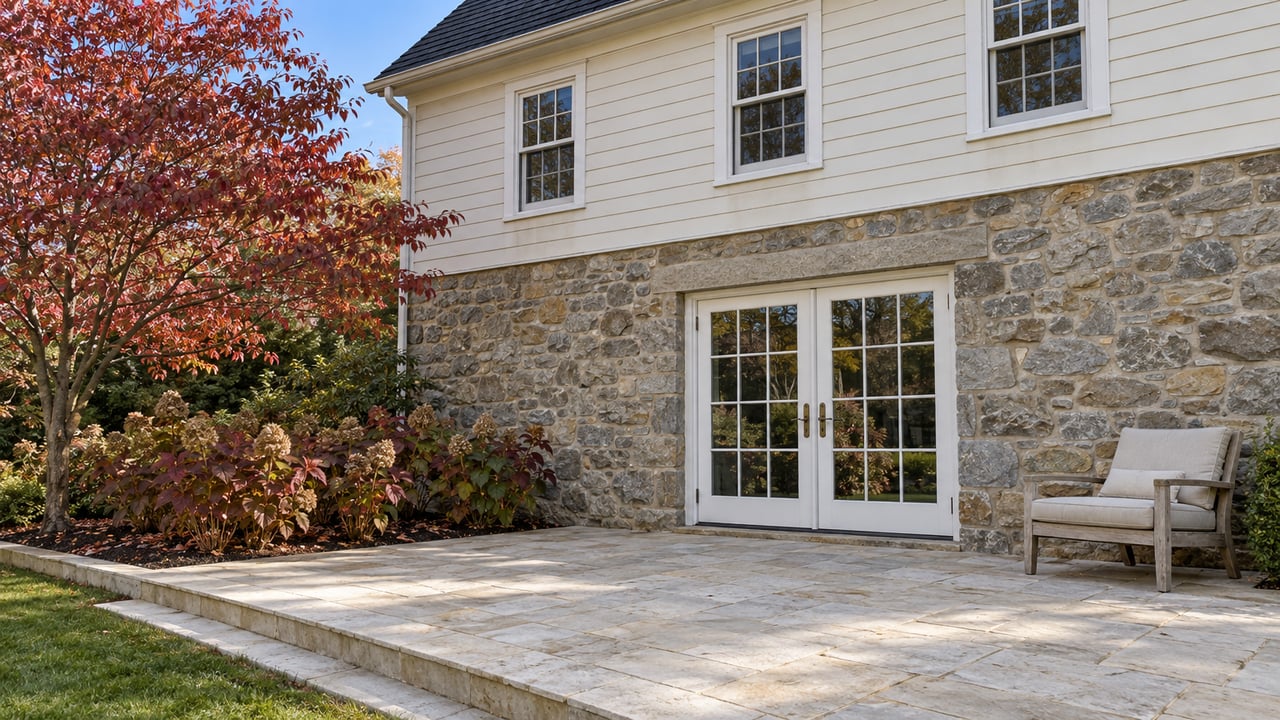
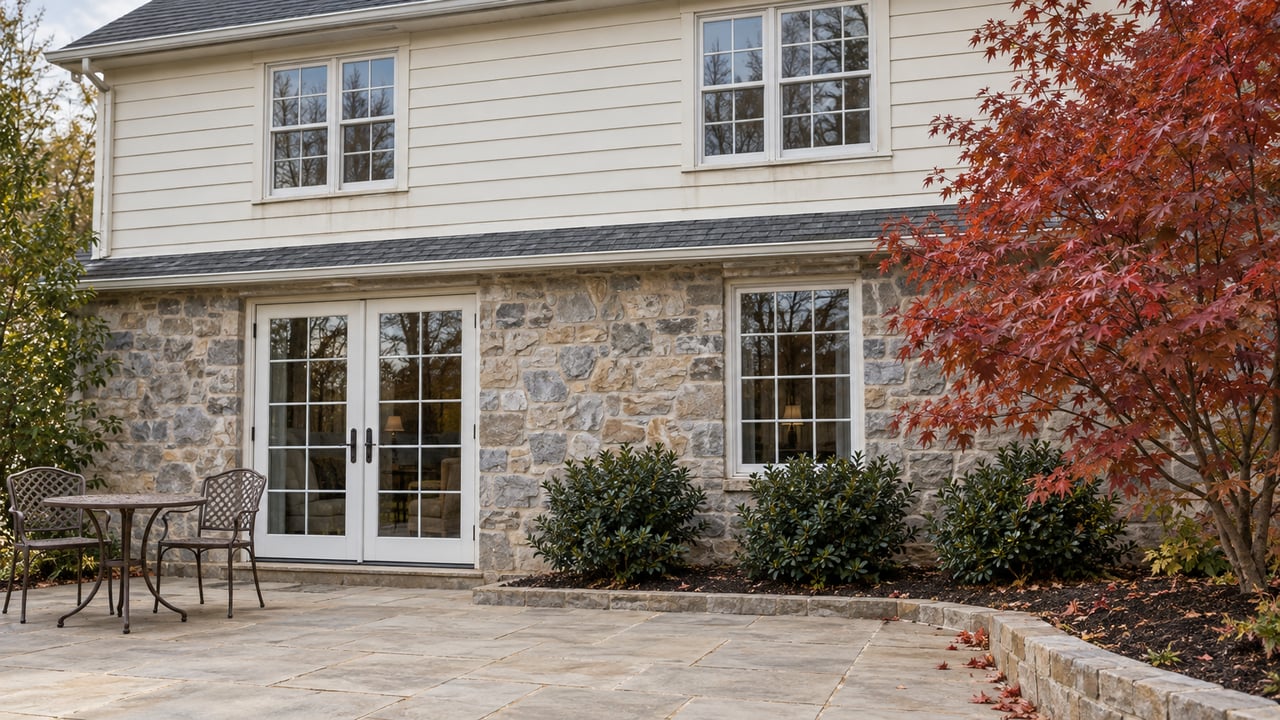
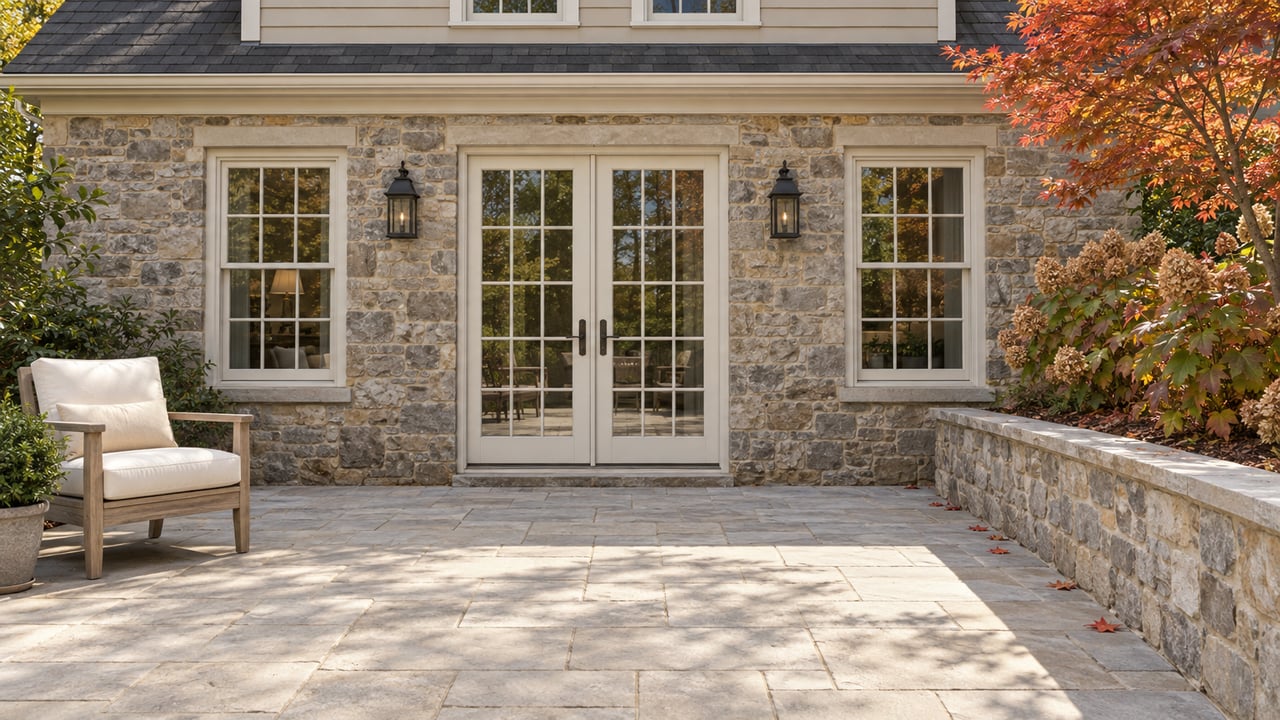
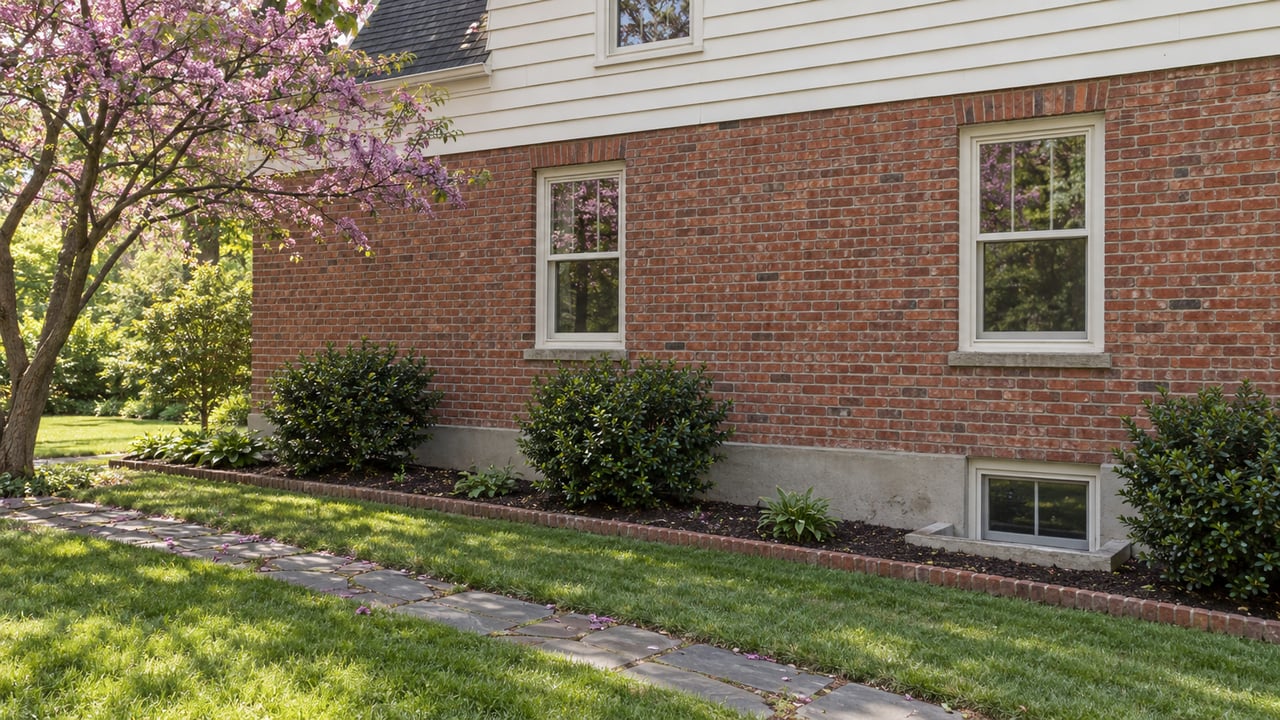
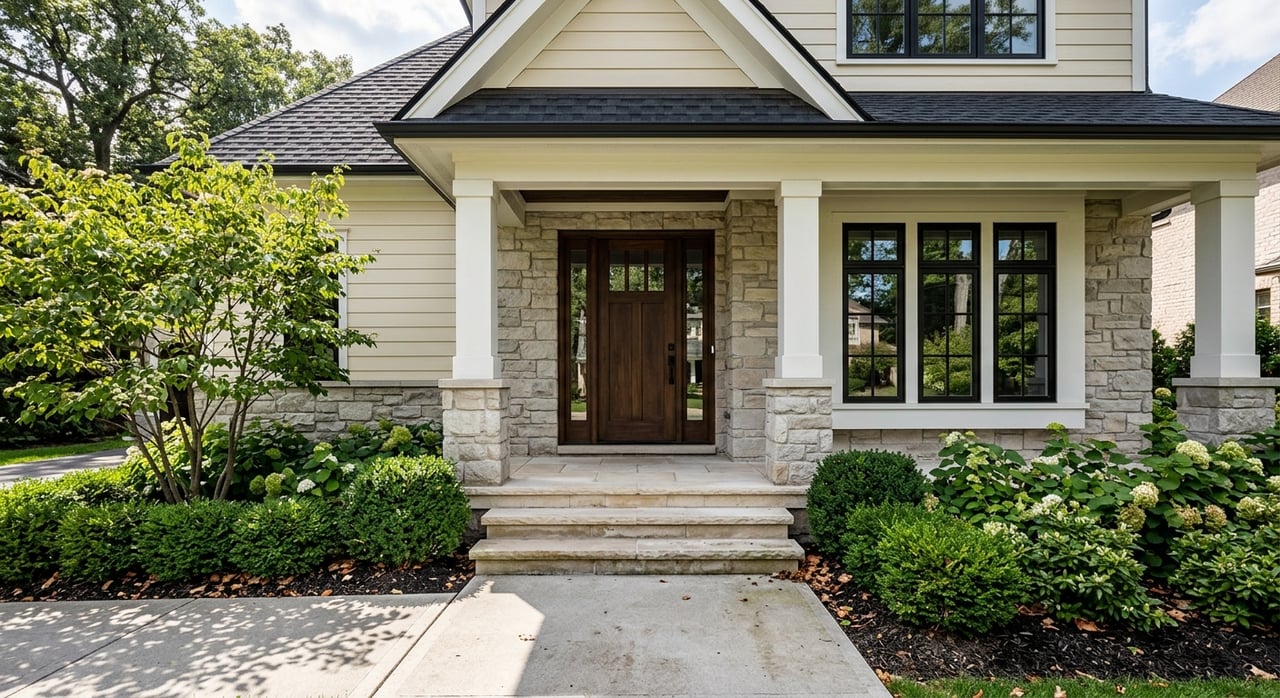
You will also see a broad mix of home styles. The city identifies bungalows, colonials, Cape Cods, ranch houses, modernistic homes, townhouses, and newer infill construction as part of the local housing landscape.
That mix can be especially helpful if you are comparing lifestyle options. You may be looking for an older detached home with established character, a townhouse closer to shops and transportation, or a multifamily option that supports a lower-maintenance routine.
A Mix of Housing Types
Falls Church’s zoning and planning framework reflects that variety. The city has residential districts that include low-density detached homes, duplexes, cluster homes, townhouses, and multifamily units.
The city’s 2024 Community Profile reported 6,057 total housing units. That includes 2,346 single-family detached units, 569 single-family attached units, and 3,142 multifamily units.
This range gives buyers and renters more than one way to live in Falls Church. It also helps explain why the city can feel both residential and flexible at the same time.
Neighborhood Identity Feels Real
Falls Church is small, but that does not mean it feels uniform. Planning materials identify neighborhoods and subdivisions such as Broadmont, Falls Park, Village Ridge Hills, and Virginia Forest as areas with clearer identity.
The city also recognizes the Tinner Hill Historic & Cultural District in its planning work, which adds an important historic and cultural layer to the local residential story. Together, these details support the idea that Falls Church is made up of distinct pockets, each with its own texture.
Quiet Streets, Not Isolated Living
One of the most appealing things about Falls Church is the balance between calm residential blocks and regional access. You can have a quieter setting without giving up useful transportation options.
The city notes access by Routes 66 and 50, WMATA bus routes including F50, F26, and F20, ART 55, designated bicycle routes, and Capital Bikeshare. East Falls Church and West Falls Church are the closest Metrorail stations, though the city notes that neither station is actually within the city boundary.
That detail helps set expectations clearly. You may not be stepping onto Metro from the middle of the city, but you still have meaningful transit access nearby.
Walkability With Local Support
Falls Church’s cozy feel is not just a branding idea. In Greenway Downs, for example, the city is implementing a neighborhood-wide traffic calming and pedestrian safety plan that residents requested.
That points to something important about the local experience. In at least some parts of Falls Church, neighborhood walkability and slower street movement are being actively supported, not simply assumed.
For many buyers, that is the sweet spot. You want a place that feels livable day to day, where local infrastructure matches the lifestyle people say they value.
Who Falls Church May Fit Best
Falls Church can be a strong fit if you want convenience without constant intensity. Its compact layout, neighborhood parks, local businesses, and housing mix create a lifestyle that feels easier to manage.
It may especially appeal to buyers or renters who want a shorter list of daily frictions. If you value quick errands, nearby outdoor space, and several housing types within a small footprint, Falls Church offers a compelling option in Northern Virginia.
It can also work well if you need to balance a regional commute with a more personal home base. That combination is one reason Falls Church continues to stand out among close-in communities.
If you are exploring Falls Church, it helps to look beyond broad labels and focus on the city’s smaller pockets. The right block, housing type, and routine can shape your experience as much as the city name itself.
If you want help sorting through Falls Church neighborhoods, comparing housing options, or planning a move on a tight timeline, Katie Stowe can help you make a confident next step.
FAQs
What makes Falls Church feel smaller than other Northern Virginia communities?
- Falls Church is an independent city of 2.2 square miles, and its compact size, connected neighborhoods, and local gathering places contribute to its small-scale feel.
What is daily life like in Falls Church for errands and dining?
- The city says most shops, restaurants, and attractions are within a 5-to-10-minute walk of one another and from free public parking, which can make everyday routines feel easier.
What outdoor spaces are available in Falls Church?
- Falls Church has a neighborhood-scale park system that includes parks like Cherry Hill Park, Big Chimneys Park, and West End Park, plus access to the W&OD Trail for recreation and commuting.
What kinds of homes can you find in Falls Church?
- The city includes a mix of detached homes, duplexes, cluster homes, townhouses, and multifamily housing, along with styles such as bungalows, colonials, Cape Cods, ranch houses, and newer infill homes.
Is Falls Church a good option for commuters?
- Falls Church offers access to Routes 66 and 50, nearby Metro stations, bus routes, bike routes, and Capital Bikeshare, which gives residents several ways to connect to the wider region.